Choosing a tarot deck is one of the most magical steps on your tarot journey. Whether you’re brand-new to reading or have been dabbling for years, your deck becomes your companion, your mirror, and your teacher. With so many options out there—classic systems, artistic reimaginings, and modern oracle decks—it can feel overwhelming to pick “the right one.”
But here’s the truth: the best deck is the one that calls to you. If you feel drawn to its art, its energy, or even its vibe in your hands, that’s your intuition doing the choosing.
Why Beginners Often Start with Rider–Waite–Smith (RWS) Decks
If you’re learning to read tarot, choosing a variation of the Rider–Waite–Smith deck is one of the easiest ways to set yourself up for success. If you’re beginning, an RWS-style deck keeps learning simple and intuitive.
- Most beginner tarot books and online resources reference RWS imagery. That means when you look up card meanings, the symbols will make sense immediately.
- The imagery is full of archetypes and symbolism. The colors, gestures, number patterns, and scenes help you intuitively understand the messages without having to memorize.
- So many beautiful variations exist. You can choose a classic RWS, a softer watercolor version, a witchy reinterpretation, or a deck featuring more diverse or modern artwork—while still keeping the same structure and symbolism.
Understanding the Major Tarot Systems: Not all tarot decks follow the same structure or imagery. Here’s a clear breakdown of the most common systems you’ll encounter, and why you might choose one over another
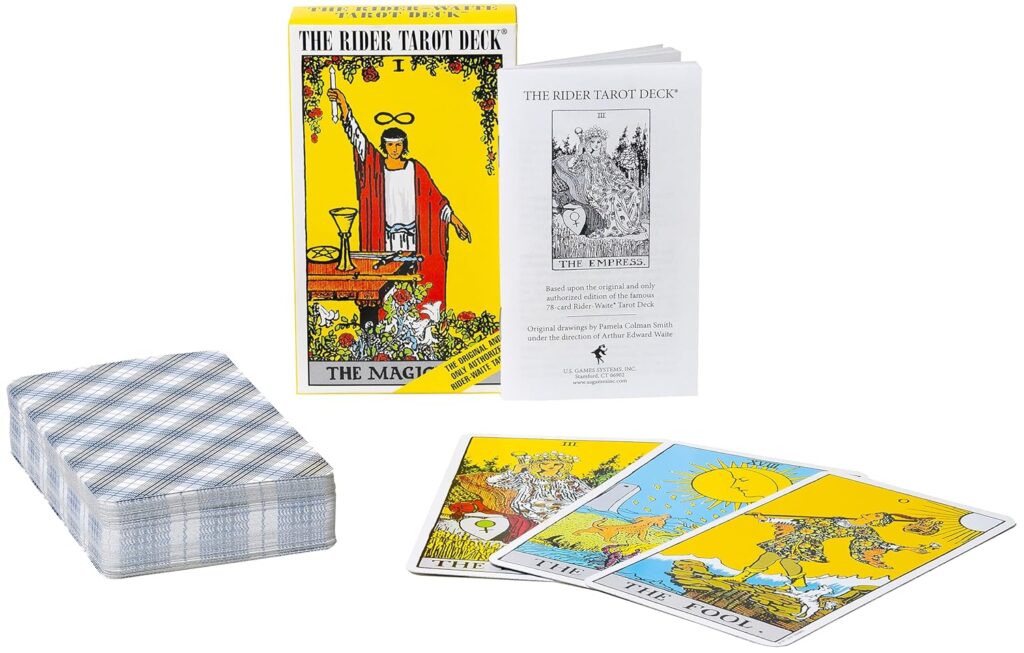
Rider–Waite–Smith (RWS)
Best for: Beginners, intuitive readers, anyone studying symbolism
What makes it unique: Fully illustrated Minor Arcana, universal archetypes, widely taught
This is the system most readers start with. It’s easy to interpret visually and provides a balanced mix of structure + intuition. You’ll find hundreds of RWS clones or inspired decks with updated art, diverse characters, and modern themes.
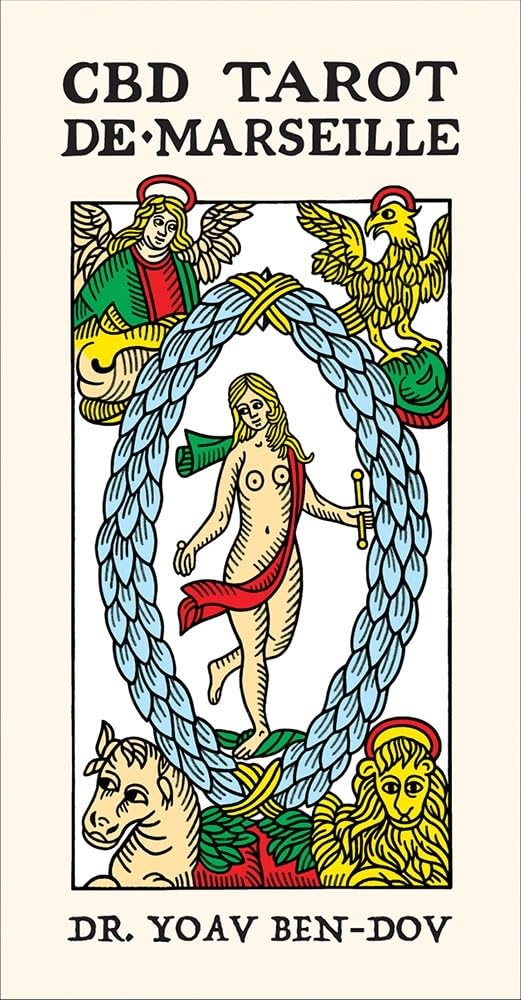
Tarot de Marseille
Best for: History lovers, traditionalists, numerology-focused readers
What makes it unique:
- One of the oldest tarot styles
- Non-illustrated Minor Arcana (the pip cards)
- Simple, classic, woodcut-style imagery
The Marseille deck requires a bit more skill because the Minor Arcana show arrangements of wands, cups, swords, and coins—without scenes or characters. Readers rely on numerology, elemental associations, and tradition. Marseille is perfect if you love learning the historic roots of tarot or prefer a cleaner, more interpretive style.
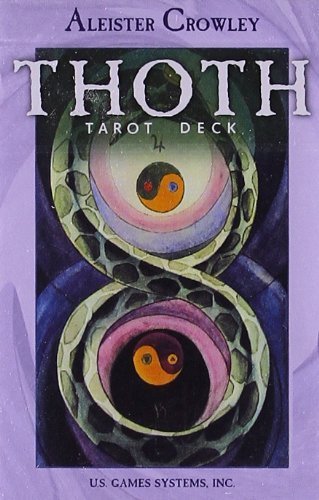
Thoth Tarot (Aleister Crowley & Lady Frieda Harris)
Best for: Esoteric readers, astrologers, advanced students
What makes it unique:
- Bold, symbolic, often intense artwork
- Deep connections to astrology, Kabbalah, and alchemical systems
- Renamed or reinterpreted cards (e.g., Lust instead of Strength)
The Thoth deck is incredibly powerful but can feel overwhelming for beginners. It leans heavily into occult symbolism and energetic correspondences. If you love astrology, ceremonial magick, or structured systems, Thoth may resonate with you.
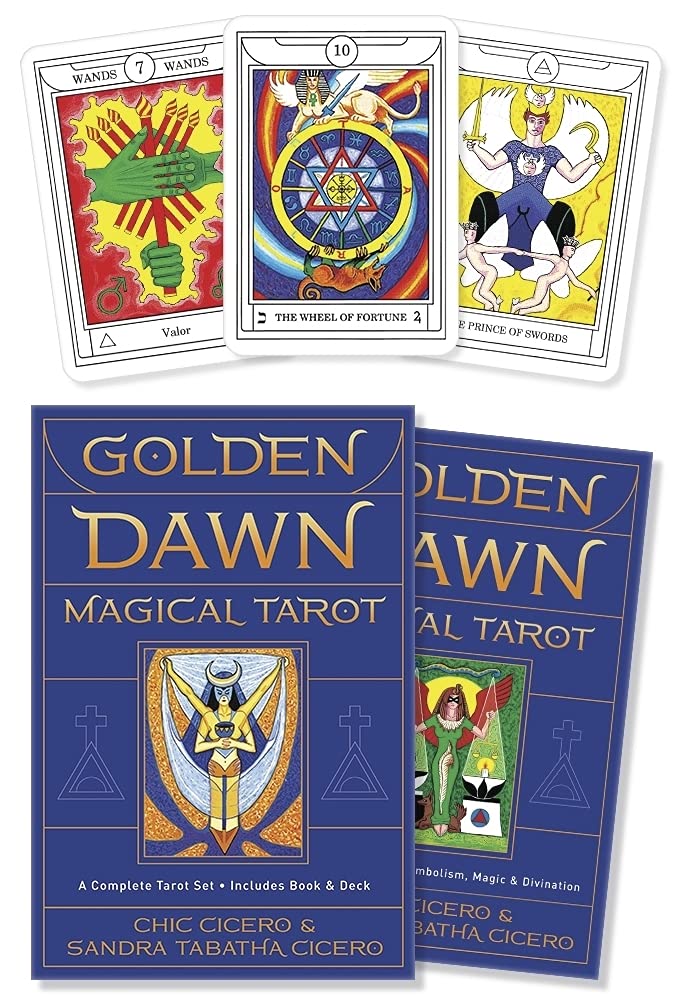
Golden Dawn–Based Decks
Best for: Readers who want a blend of tradition + esoteric symbolism
What makes it unique:
- Many modern tarot decks derive from Golden Dawn teachings
- Includes rich correspondences: astrology, numerology, Kabbalah
- Often blends RWS structure with Thoth-like symbolism
Golden Dawn decks act like a bridge between RWS and Thoth systems. If you’re curious about deeper symbolism but not ready for a full Thoth dive, Golden Dawn–based decks are a great middle path.
Specialized and Modern Tarot Decks
These include all the incredible themed decks available today
Art Decks
Beautiful, stylized tarot created by artists who reinterpret the traditional imagery in fresh ways—fantasy, watercolor, gothic, kawaii, botanical, etc.
These are perfect when you want inspiration and aesthetics to fuel your intuition
Pop Culture Decks: Based on fandoms (witchy, fairy tales, astrology, Disney-inspired, Star Wars-inspired, etc.)
They’re fun, but quality varies—so choose one that aligns with a recognizable tarot system.
What About Oracle Decks?
Oracle decks are not tarot, but they pair beautifully with tarot readings.
- No standardized number of cards
- No suits, court cards, or Major Arcana
- Each deck has its own theme and structure
- Messages tend to be more straightforward and encouraging
Oracle decks are great for daily pulls, shadow work, affirmation-style readings, or when you want a softer, more intuitive message.
How to Know a Deck Is “Calling” You
Here are signs a deck is meant for you:
✨ You feel a spark when you see the artwork
✨ You keep thinking about it after you leave the shop or scroll past it
✨ You feel seen, understood, or energized when looking at sample cards
✨ You imagine yourself reading with it before you even buy it
✨ Pulling the cards feels natural and effortless
And remember:
There is no “wrong” deck.
Your intuition already knows what you need.
Final Thoughts
Your tarot deck is more than a set of cards—it’s a partner on your spiritual and magical journey. Whether you start with a Rider–Waite–Smith deck for learning, explore the history of Marseille, dive into the depths of Thoth, or collect beautiful art decks, trust yourself. Your perfect deck will always find its way to you.